
how does bulletproof glass work
Bullet resistant glass, often referred to as bulletproof glass , is one of the most essential innovations in modern safety and security. Found in everything from military vehicles to bank teller windows, this high-performance material plays a vital role in protecting lives and assets from high-velocity threats. While the term "bulletproof" is commonly used, the more accurate industry term is bullet resistant glass , as no material is completely impervious to all forms of ballistic attack. This article explains the definition of bullet resistant glass , how it works, and explores the many applications of bulletproof glass in today's world. What Is Bulletproof Glass? Bulletproof glass , or bullet resistant glass, is a specially engineered material designed to absorb and dissipate the energy of a bullet or other projectile. It looks like standard transparent glass, but its internal composition is far more complex and durable. Rather than being a single sheet, bullet resistant glass is made by layering multiple sheets of glass and plastic—usually polycarbonate or thermoplastic interlayers—into a laminated composite. When a bullet strikes, the outer layer of glass may crack, but the inner polycarbonate layer flexes, absorbing the impact energy and stopping the projectile from penetrating fully. Depending on the level of protection required, the number of layers and thickness can vary significantly, ranging from a few millimeters to several inches thick. Bullet Resistant vs. Bulletproof The term “ bulletproof glass ” is widely used, but it’s important to note that no glass is entirely bulletproof. With enough force, time, or the right caliber, any material can be penetrated. That’s why the term “bullet resistant” is preferred in professional and regulatory contexts. Bullet resistant glass is rated based on standards like UL 752 or NIJ levels, which test the material’s ability to withstand specific types of ammunition under set conditions. How Bullet Resistant Glass Is Made The process of manufacturing bullet resistant glass involves lamination , a method where layers of glass and polymer are bonded under high pressure and heat. These layers form a single, clear panel that is significantly stronger than regular glass. There are two primary types of bullet resistant glass: Glass-clad polycarbonate (GCP): Alternating layers of glass and plastic, offering high optical clarity and excellent ballistic protection. Acrylic or polycarbonate monolithic sheets: Lighter weight, less expensive, and often used in interior or low-threat environments. The manufacturing process ensures that even when impacted by a bullet, the glass won't shatter like standard glass. Instead, the energy of the bullet is absorbed, and the projectile is either slowed dramatically or stopped entirely, while keeping the non-struck side intact. Applications of Bulletproof Glass Bullet resistant glass is used across a wide range of industries and environments where safety and protection are a priority. Below are some of the most common applications of bulletproof glass : 1. Banks and Financial Institutions Banks and ATMs are high-risk targets for robbery. Bullet resistant glass is used in teller windows, cash counters, and ATM enclosures to protect staff and assets from gunfire or forced entry. 2. Government Buildings Government facilities—including courthouses, embassies, and police stations—often install bullet resistant glass to safeguard officials and the public. High-security zones may use glass rated to withstand high-caliber rounds and even blast waves. 3. Military and Law Enforcement Vehicles Armored vehicles used by the military or police forces are equipped with bullet resistant windshields and side windows. These vehicles are deployed in dangerous zones and require protection against gunfire, shrapnel, and other ballistic threats. 4. Commercial Security and Retail Jewelry stores, convenience stores, and high-value retail spaces use bullet resistant glass in storefronts and display cases. It deters armed robbery and provides peace of mind to both employees and customers. 5. Schools and Educational Institutions Unfortunately, school security has become a growing concern in many regions. Bullet resistant glass is increasingly being installed in entryways, classroom doors, and administrative offices as part of secure school design protocols. 6. Residential Security Luxury homes and estates sometimes install bullet resistant glass in windows and doors as part of a comprehensive security strategy, especially in regions prone to break-ins, kidnappings, or political instability. 7. Transportation and Infrastructure Airports, train stations, and other transportation hubs use bullet resistant glass in control rooms, ticket counters, and observation areas to ensure the safety of staff and travelers from potential attacks. 8. Safe Rooms and Panic Rooms Bullet resistant glass is also a critical component in the construction of safe rooms or panic rooms in both residential and commercial settings. These rooms offer refuge in the event of an intrusion or armed threat. Benefits of Bullet-Resistant Glass Enhanced Safety : Protects against bullets, blunt force, and in some cases, fire or explosion. Peace of Mind : Offers psychological reassurance for employees, customers, and families. Durability : Designed to withstand repeated impact without shattering. Customizable : Can be tailored for clarity, thickness, size, and design based on security level and aesthetic preference. Multi-Functionality : Bullet resistant glass can also be fire-rated, soundproof, and UV-resistant depending on the application. Choosing the Right Level of Bullet Resistant Glass Selecting the correct level of bullet resistant glass depends on your specific needs. For example: UL Level 1 protects against small handguns (.22, 9mm). UL Level 3 is ideal for higher-threat environments involving larger caliber handguns (.44 Magnum). UL Level 8 and above are used in military or high-risk zones and are rated to stop 7.62mm rifle rounds. Consulting with a certified security glazing professional can help determine the right glass composition and thickness for your project.
-

glass that switches from clear to frosted
glass that switches from clear to frosted
View Details -
glass corner for bathroom
glass corner for bathroom
View Details -
led touch mirror for bathroom
led touch mirror for bathroom
View Details -
tall mirror with lights
tall mirror with lights
View Details -
flat float glass
flat float glass
View Details
Our application
-
 read more
 -
 read more
 -
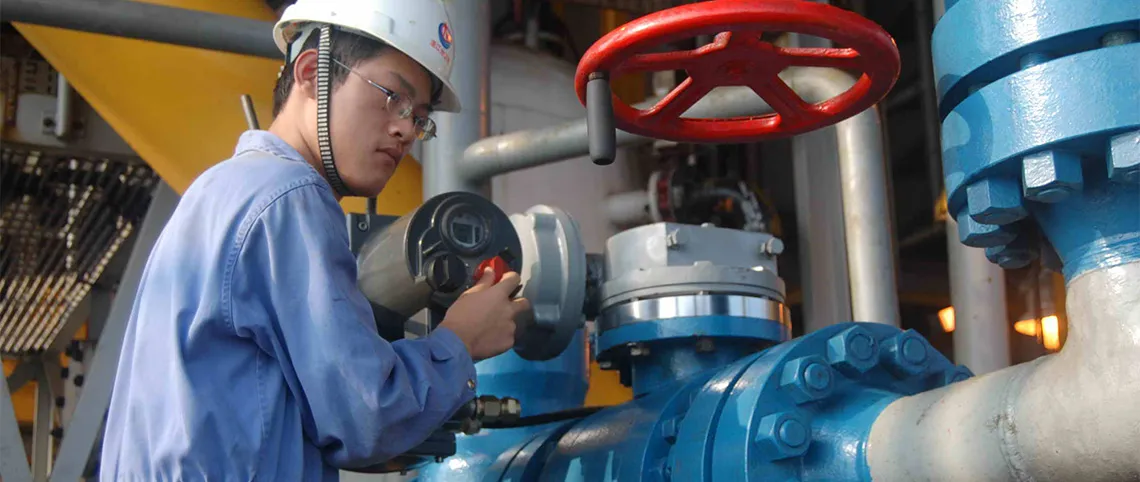 read more
 -
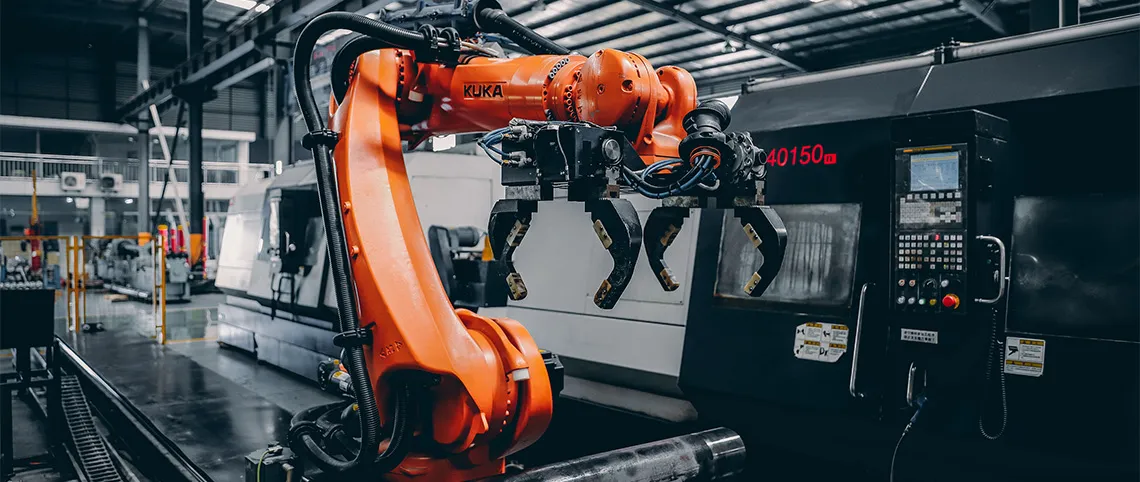 read more
 -
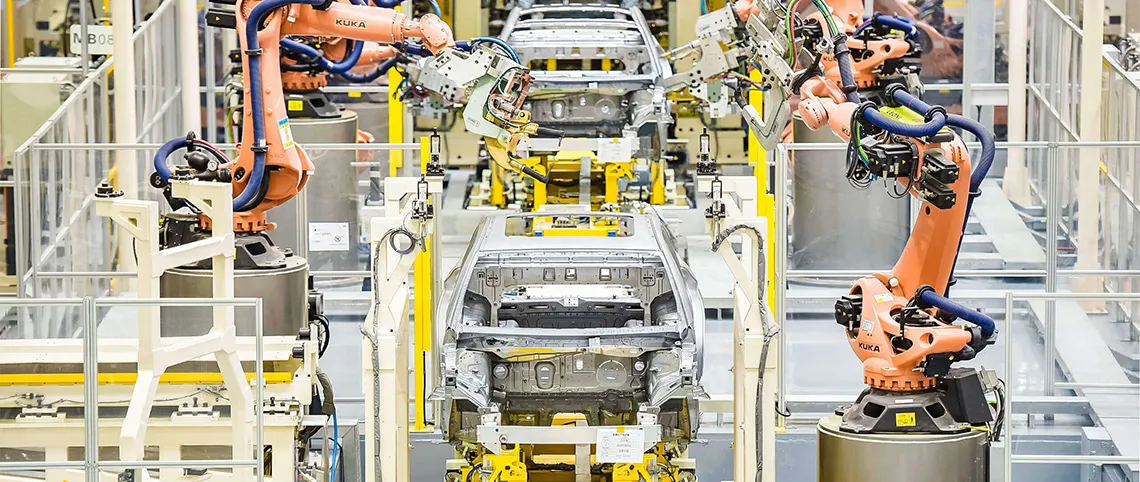 read more
 -
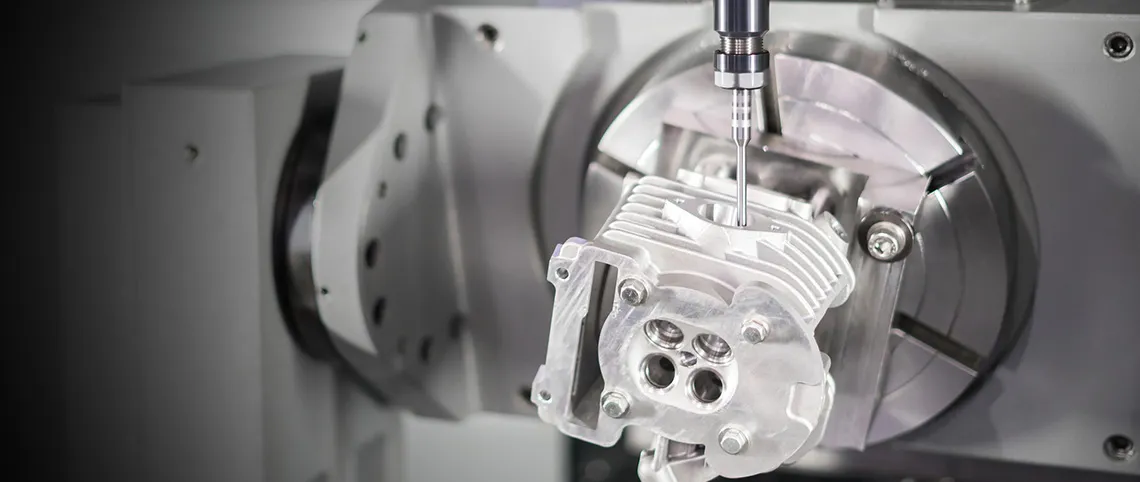 read more
news and information
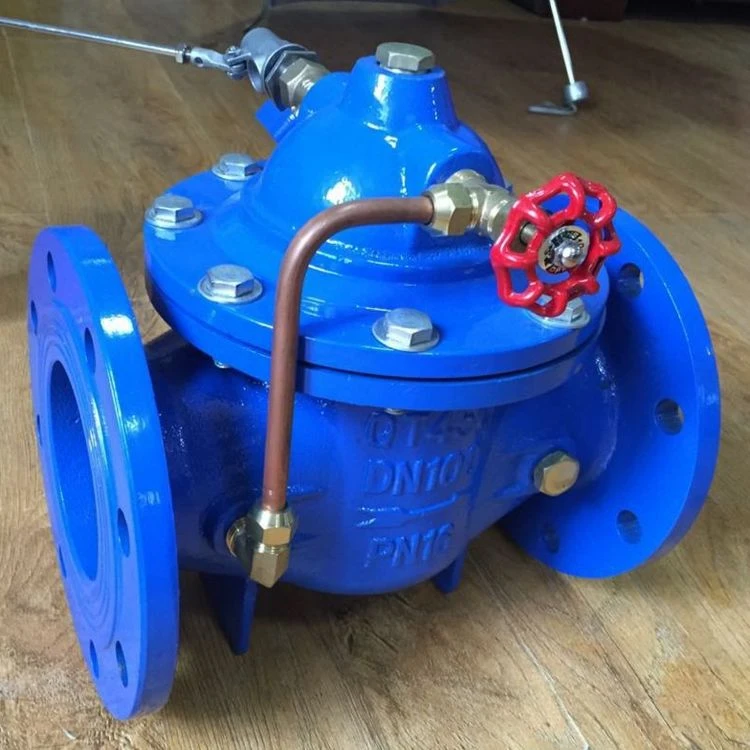
Vanne anti-retour de haute qualité - Solutions fiables pour la gestion des fluides
Les vannes anti-retour Un élément essentiel dans les systèmes de plomberie Les vannes anti-retour
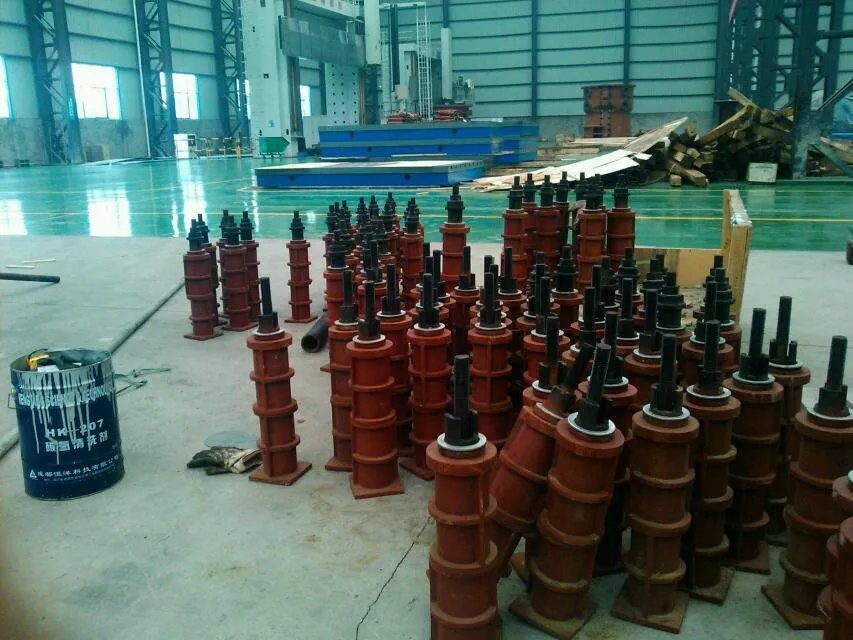
Válvula principal de agua en el hogar y su importancia para el suministro doméstico
La Importancia de la Válvula Principal de Agua en el Hogar La válvula principal de agua es un compon
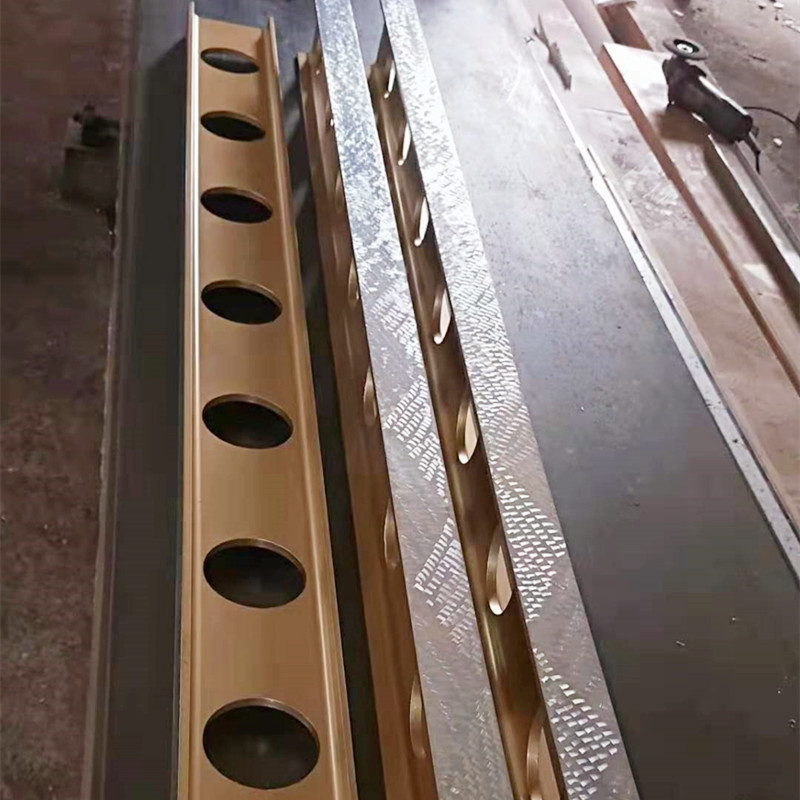
water check valve 3 4
Understanding Water Check Valves The Importance of Models 3 and 4 Water check valves are essential c